 EN
EN  ES
ES  DE
DE 
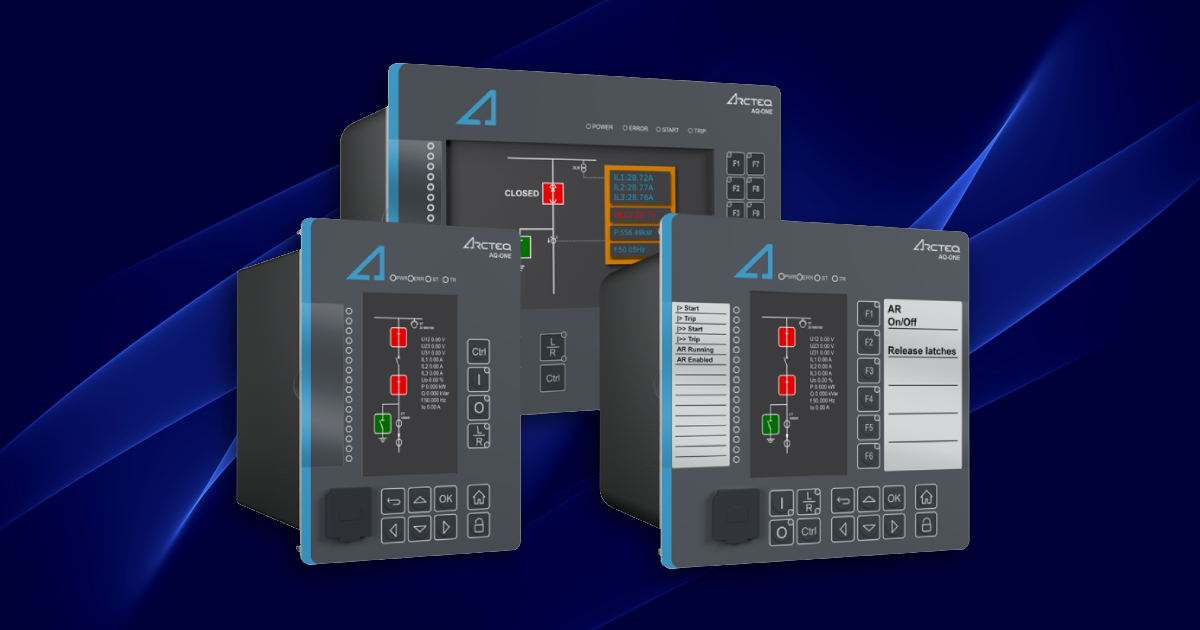
AQ-ONE by Arcteq: Flexible Protection and Control for Electrical Systems
In today's electrical protection landscape, companies in the sector are seeking more versatile, scalable, and secure solutions for their medium- and high-voltage systems. In this context, AQ-ONE from Arcteq It positions itself as a modern security and control platform, designed to support multiple applications using a single technological foundation.
From the perspective of Erasmus, this solution offers a solid alternative for projects that require reliability, ease of configuration, and an architecture designed to scale with the network's needs.
What is AQ-ONE?
AQ-ONE is a protection and control relay developed by Arcteq to meet various needs within electrical systems. Its design focuses on integrating the hardware, software, and applications necessary for electrical protection and automation into a single platform.
Arcteq presents this solution under the following concept:
- A piece of software.
- A piece of hardware.
- Unlimited applications.
This approach allows for a more uniform architecture, which is particularly valuable in electrical substations, feeder protection, and line protection.
Key Features
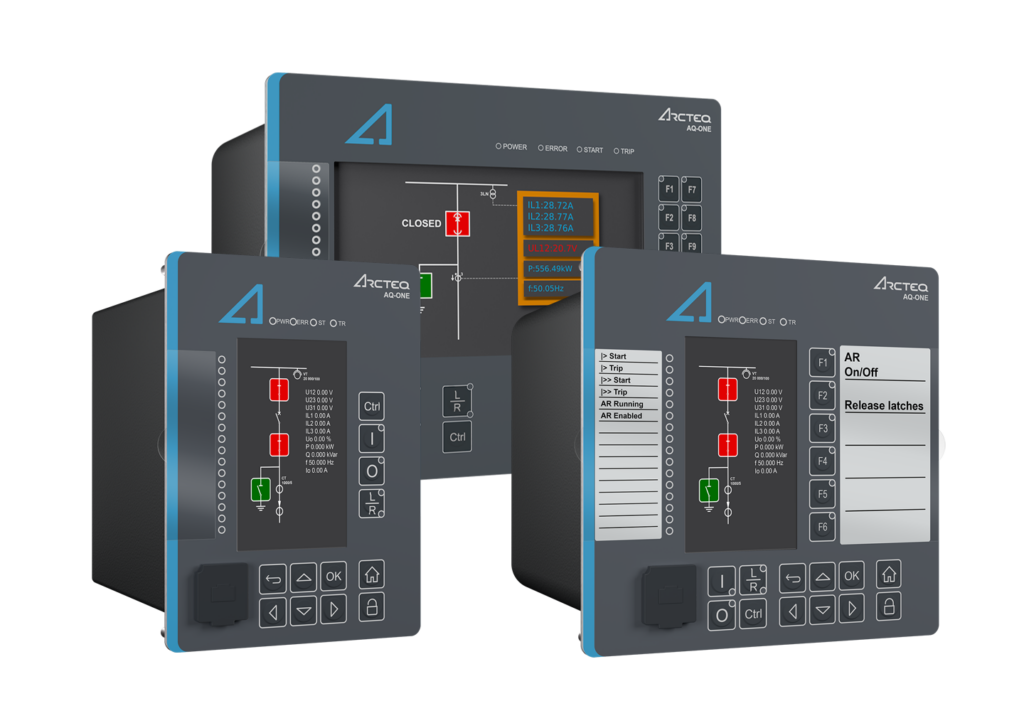
Among the most important features of AQ-ONE, Arcteq highlights the following points:
- It is optimized for protection systems in the generation, transmission, and distribution of electrical power.
- It is available in three mechanical sizes.
- It maintains hardware compatibility across sizes.
- It is configured using the AQtivate software.
- It uses a scalable logic based on function bundles.
- It incorporates a cybersecurity framework aligned with IEC 62443-4-2 Security Level 1.
- It features high measurement accuracy as part of its technical specifications.
These features make AQ-ONE not just a protection and control relay, but a platform designed to keep pace with the evolution of electrical systems.
Benefits for Engineering and Operations
One of the greatest benefits of AQ-ONE is that it simplifies the technological management of the project. By using a common platform, teams can reduce complexity in design, specification, configuration, and maintenance.
Among its practical advantages, the following stand out:
- Greater standardization across projects.
- Less technological dispersion.
- Easier scalability of features.
- Greater consistency between engineering, operations, and maintenance.
- A stronger foundation for electrical automation and digitalization.
For organizations seeking power grid technology with a long-term vision, this approach is particularly appealing.
Medium- and High-Voltage Applications
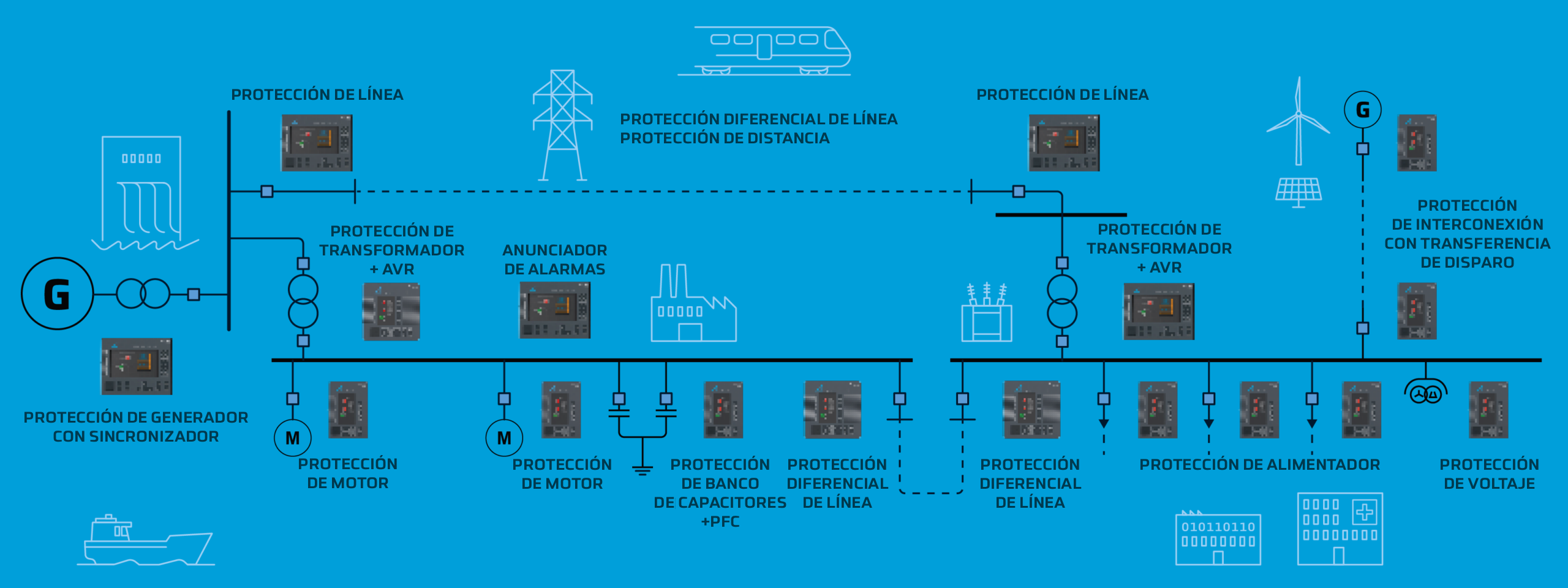
AQ-ONE is designed for a variety of protection and control applications in medium- and high-voltage systems. Its design allows it to meet different technical requirements without having to switch platforms for each specific need.
This makes it valuable in applications such as:
- Feeder Protection.
- Line protection.
- Electrical Automation in Substations.
- Projects that require scalability and technological consistency.
Thanks to this approach, AQ-ONE is better able to adapt to facilities looking to expand, modernize, or strengthen their electrical protection systems.
Cybersecurity and Precision
The digitization of networks requires that electrical protection also take industrial cybersecurity criteria into account. In this regard, AQ-ONE incorporates compliance aligned with IEC 62443-4-2 Security Level 1, an important aspect for environments where connectivity and security must advance hand in hand.
Added to this is the measurement accuracy highlighted by Arcteq, a key feature for applications where the quality of the data directly influences system reliability and event analysis.
A solution in step with the industry's evolution
Arcteq's AQ-ONE combines several features that are now critical to the protection of electrical systems:
- Flexibility.
- Scalability.
- Centralized configuration with AQtivate.
- Hardware Compatibility.
- Industrial cybersecurity.
For Erasmus, this solution represents a valuable option for companies seeking to strengthen their protection and control systems with modern, adaptable technology that is equipped to meet the current challenges facing the electric power sector.